


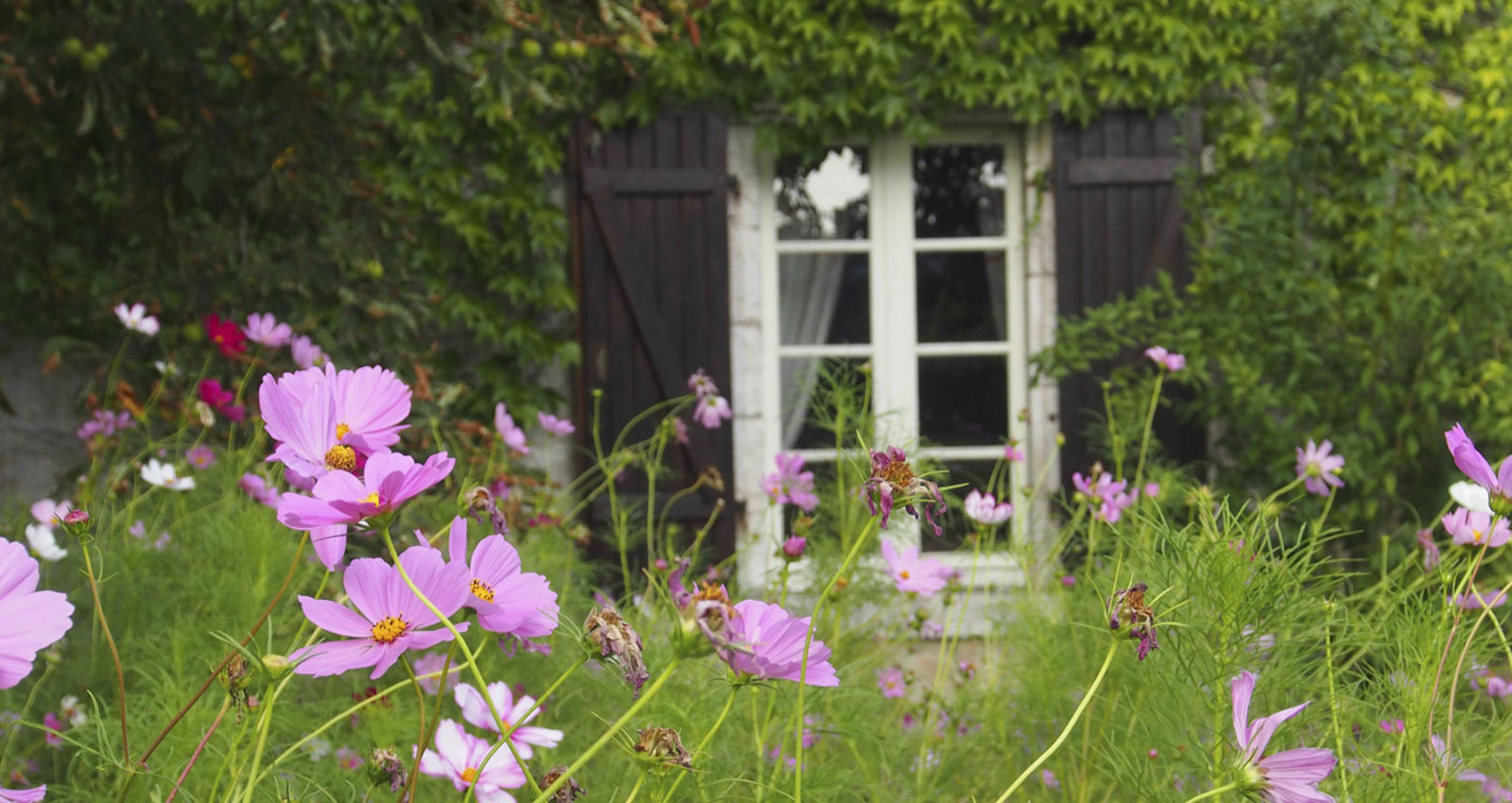
Biodiversity feels like a big term, but it actually starts right where we live. In our garden, on our balcony or even on the windowsill. It is often the very simple things that give insects, birds and other animals more space again. And a surprising number of these measures also feel good for us – because they make the garden quieter, more natural and livelier.
1. simply let a small corner grow
Many of us have the impulse to keep the garden tidy. But nature loves it a little wilder.
– Deliberately leave a small corner untouched.
– Leave a few stinging nettles – they are important for butterfly caterpillars.
– Leave some leaves in the fall and a few stems in the winter.
This creates a mini living space without you having to do much.
2. choose native plants - they will thank you for it
Native plants not only feel at home with us, they also offer insects exactly what they need.
Particularly valuable are, for example:
– wild mallow, bellflower, meadow knapweed
– viper’s bugloss and knapweed for bees
– cornelian cherry or dog rose as a hedge
You will be surprised how quickly life returns as soon as the first native plants bloom.
3. offer water - even a small bowl helps
Water is essential for animals and a simple bowl is perfectly adequate.
You shall:
– Place a few stones inside so that insects can drink safely
– Fill up regularly and keep clean
– Spread out several bowls in summer
This creates a small meeting place for many animals.
4. use the balcony as a small nature project
You can do a lot even without a garden.
– Herbs such as thyme, oregano or chives bloom wonderfully and are real insect magnets
– A small sand bowl is popular with wild bees
– Flowering plants such as sage or mint make bumblebees happy
A few pots create a mini biotope that feels really good.
5. leave a little deadwood lying around
A small pile of branches or twigs looks more natural than expected and provides shelter for many animals.
– Wild bees nest in it
– Beetle larvae develop in the wood
– Spiders and other beneficial insects find hiding places
– Hedgehogs enjoy larger piles
You can integrate as much or as little as suits your garden.
6. mow the lawn at different frequencies
Not everyone wants to let their lawn grow for weeks on end – but even a flexible solution can do a lot for biodiversity.
Good options are:
– Deliberately mow a part of the garden less frequently
– leave the edges or corners as small “mini meadows”
– alternate mowing so that one area is always left longer
This keeps the garden tidy and at the same time creates space for clover, wild herbs and small flowers, which are essential for insects.
7. avoid pesticides and trust nature
Many products are harmless, but still do damage.
– Mulch protects the soil better than chemical sprays
– Plant combinations strengthen each other
– Small holes in the leaves are no drama
– Beneficial insects often take over the regulationIf you give nature a little time, a stable balance will develop.
8. compost as a small ecosystem
A compost – even a small one – is like its own habitat.
– Earthworms, microorganisms and small animals decompose plant residues
– You get valuable, living soil
– You reduce your organic waste
Composting almost feels like a small cycle that you bring back to life.
More biodiversity at home is not achieved through perfection, but through serenity and a conscious acceptance of nature. A garden or balcony that is allowed to be a little more natural quickly becomes a place that hums, crawls and sings again. Every little step counts – and together they create a home that is not only good for us, but also for nature.