


Creating your own flower meadow is one of the most effective ways to protect insects and bring more biodiversity into your garden. A colorful mixture of native wildflowers creates a valuable habitat for bees, bumblebees and butterflies – and transforms even small areas into living islands of nature.
Why it's worth creating a flower meadow
A species-rich flower meadow offers:
- Food for insects from spring to fall
- Important retreats, breeding sites and structures
- More biodiversity right in your own garden
- A lively, natural sea of flowers that requires hardly any care
The best time to plant a flower meadow
Spring from March to May or late summer to fall (August to October) are ideal for sowing.
These periods are recommended by kraut&rüben and Meine Ernte, among others.
Late summer is particularly suitable for perennial wildflowers, as the MDR confirms.
Creating a flower meadow step by step
1. prepare the surface
Remove the turf and loosen the soil thoroughly. A weed-free area is important so that the wildflowers have enough light and space later on.
2. create nutrient-poor soil
Wildflowers need nutrient-poor soils, otherwise they will be crowded out by grasses.
How to make the soil “lean”:
– Work in 5-10 cm of sand
– If necessary, remove some topsoil and replace it with sandier soil
– Dig the soil several times and remove weeds
– Do not use fertilizer (not even later)
3. choose the right seed
For a species-rich and insect-friendly meadow, you should use native wildflowers.
You will find the Slowflower Bouquet seed collection to match : it contains selected flowering plants that provide reliable food for insects and at the same time ensure a colorful flowering scene.
4. sowing and rolling
Spread the seeds evenly and press them down lightly. Wildflowers are mostly light germinators, so do not cover them with soil.
5. keep moist and be patient
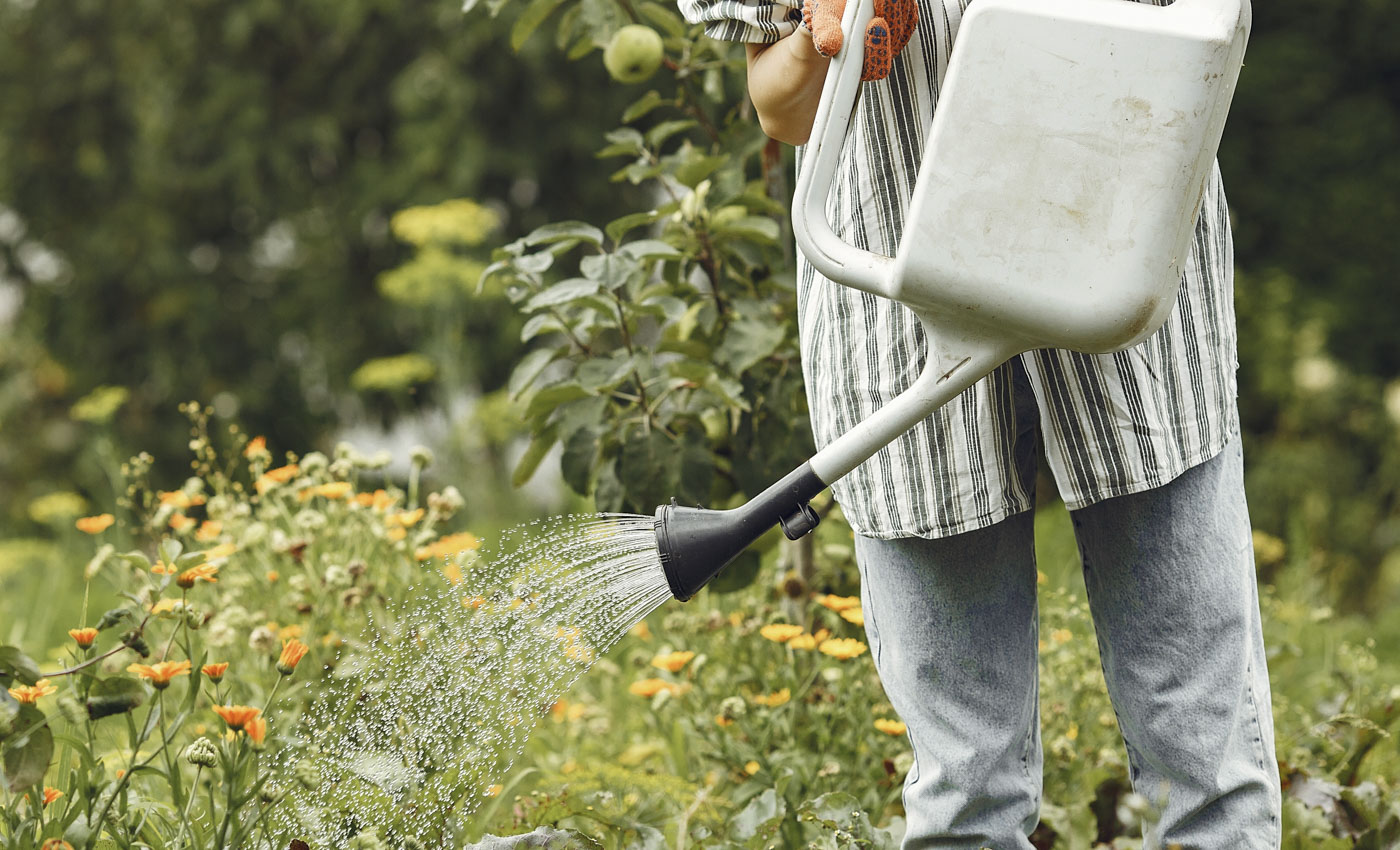
Water regularly for the first few weeks. After that, the flower meadow will largely regulate itself.
Care of the flower meadow
A flower meadow is surprisingly easy to care for. A cut in late summer is sufficient in most cases. Leave the clippings for two to three days so that seeds can ripen and fall back onto the surface.
Conclusion
Creating a flower meadow is a simple and sustainable way to actively contribute to insect conservation. Whether in the garden, along a path or on a small area behind the house – every meadow counts. It provides habitat, diversity and a piece of nature that brings joy every day.