


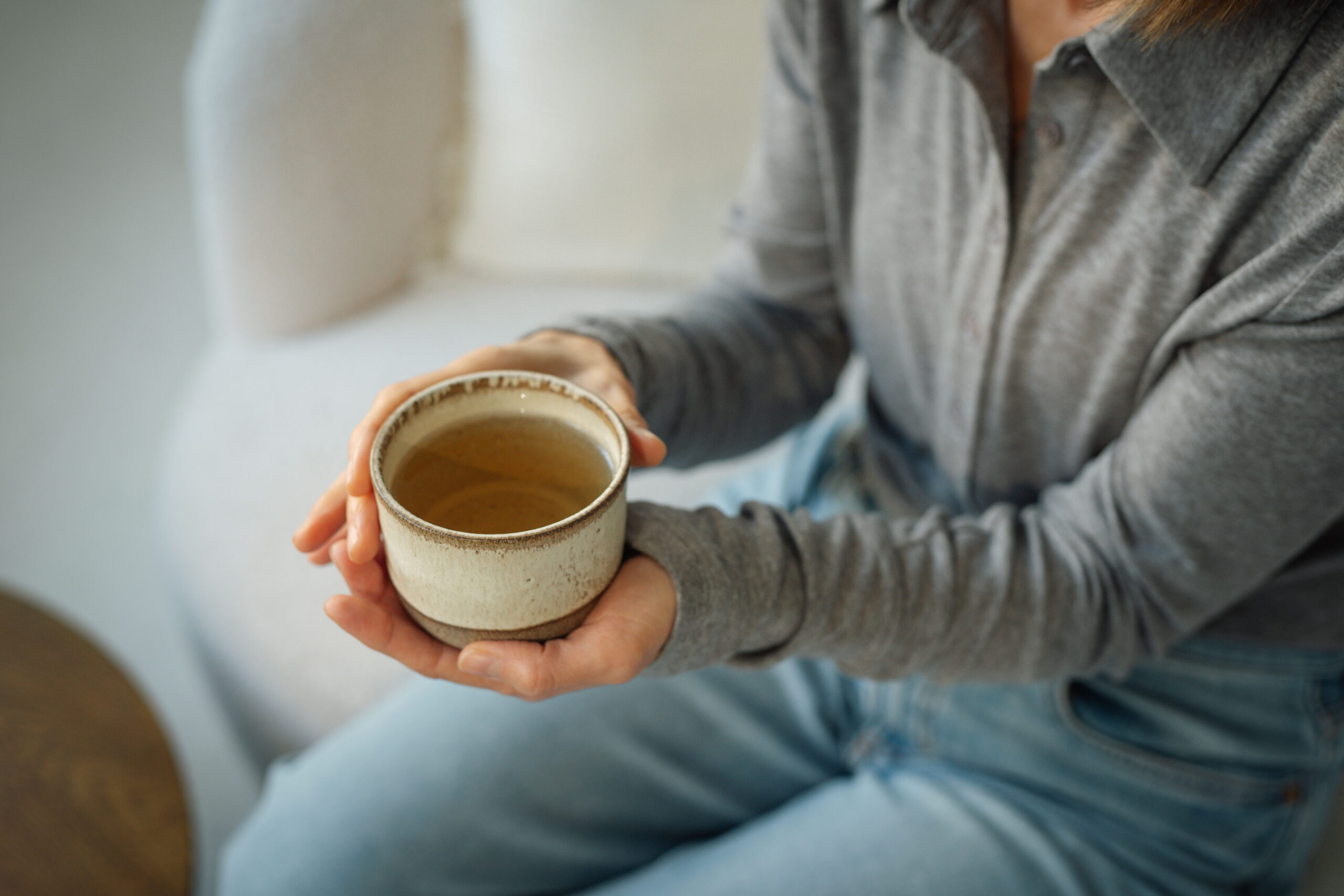
There are things for the home that not only look beautiful, but also radiate a special calm. Handmade ceramics are definitely one of them for me. Perhaps you know the feeling: you hold a cup in your hands and immediately realize that someone has shaped, turned and glazed it. Not for the mass market, but with real dedication.
This is exactly what makes handmade ceramics so special. It is not perfect in the industrial sense, but perfect in its uniqueness.
Insight into the manufactory
Nothing runs “automatically” in a ceramic manufactory. Every mug, every vase, every bowl starts with a piece of clay and an idea.
What many people don’t know: The process is long, precise and full of love for form.
Typical steps:
- Prepare the clay: knead it to make it smooth and free of air bubbles.
- Turning or shaping: with steady hands, a lot of feeling and experience.
- Allow to dry slowly and gently so that nothing tears.
- First firing (biscuit firing): makes the piece stable.
- Glazing: a creative moment that later determines the color, structure and “skin” of the ceramic.
- Second firing (glost firing): this is where the final look is created.
And because every handle is slightly different, no two pieces are the same. This is exactly what makes genuine handcrafted ceramics so valuable.
Materials science - not all clay is the same
Ceramic is a natural material. Depending on which types of clay are used, very different properties are created:
- Stoneware – extremely robust, durable, ideal for everyday use
- Terracotta – warm, porous, traditional
- Porcelain – fine, light, elegant, but more demanding to produce
This difference alone ensures that handmade pieces have their very own personality: Color, feel, weight – none of this is industrially standardized.
The glaze is also alive. Depending on the composition, temperature and application, small speckles, fine gradients or matt textures are created. Things that cannot be programmed – only experienced.
Why each piece is unique
Handmade ceramics “breathe”. It changes with every work step, every drying phase and every firing temperature. This is exactly what it does:
- Minimal differences in shape and roundness
- Individual glaze gradients
- Fine color nuances
- Small handcrafted signs that tell of real work
Care - so you can enjoy it for a long time
High-quality ceramic is robust – but a natural product remains a natural product. A few tips:
- Stoneware is usually dishwasher safe, but hand washing prolongs its life.
- Avoid sudden temperature jumps (e.g. cold ceramics in a very hot oven).
- Glazes can develop a patina over time – this is normal and part of their character.
- It is better to keep unglazed floors dry so that no water is drawn in.
If you look after them, ceramics will accompany you for many years – sometimes even for a lifetime.
Why we love handmade ceramics so much
Handmade ceramics have a quiet beauty that you will never find in mass-produced items. It reminds us that things can take time. That craftsmanship is a value in itself. And that small irregularities are exactly what make a home warm and lively.
A one-off means that no one else in the world has this exact piece – only you.